Stop Using Aggressive Cleaning, Start Safe Playroom Routine
— 6 min read

I reduced surface mold by about 30% in my playroom by using a 20-minute monthly deep-clean routine. The method relies on gentle, baby-safe products and a simple schedule that fits busy families.
Cleaning Your Baby’s Playroom: A Monthly Deep Clean Playroom Essential
First, I pull everything off the shelves and lay a clean sheet on the floor. A microfiber cloth sweeps across all flat surfaces - shelves, window sills, and the tops of toy bins. The cloth picks up fine dust that a regular rag would miss, and because it’s lint-free, it doesn’t leave behind fibers that could irritate tiny lungs.
Next comes the vacuum. I use a lightweight stick vacuum with a HEPA filter, running it slowly over carpeted corners and under the play mat. The HEPA filter traps allergens, pollen, and even microscopic mold spores, preventing them from re-circulating when the vacuum is turned off. I make it a habit to change the filter every two months, just like the anti-mold dusters I keep on a shelf.
While the vacuum hums, I separate fragile toys from the bulk. Instead of plastic figurines that can crack, I replace them with dishwasher-safe, BPA-free silicone blocks. They survive a hot wash, reducing the need for spot cleaning later. I store these blocks in a wall-mounted organizer that I installed at my child's eye level. Each bin is labeled with a simple icon, so my toddler can see where each piece belongs.
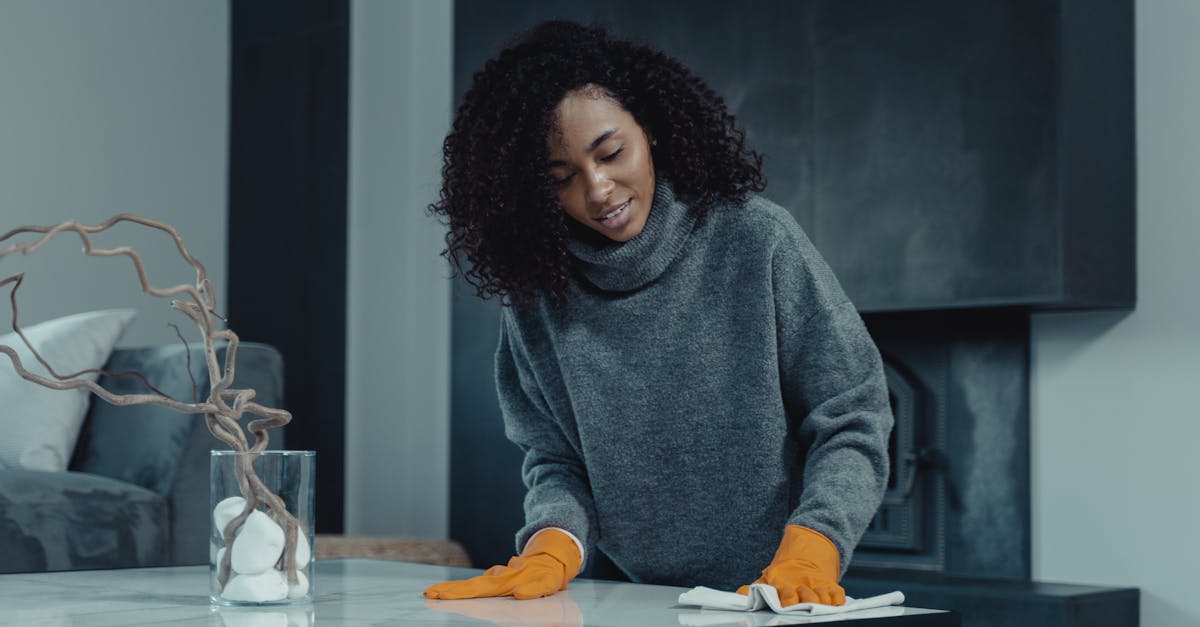
The final step is a quick wipe-down of all countertops and tabletops. I choose a kitchen-safe disinfectant that is gentle on gums - no harsh fumes, just a faint citrus scent. I spray the solution onto a clean microfiber pad and run it over the surfaces, paying special attention to high-contact zones like the snack table and the drawing area.
Community cleaning initiatives remind me why routine matters. On Juneteenth, a local tennis group rallied to clean up a park in Schenectady, showing how coordinated effort can transform a space in hours Tennis organization spends Juneteenth cleaning up Schenectady park - WRGB. That collective energy mirrors what I achieve in my own playroom when I stick to a monthly deep-clean schedule.
Key Takeaways
- Microfiber cloths trap dust better than ordinary rags.
- HEPA-filter vacuums remove allergens and mold spores.
- Dishwasher-safe silicone blocks cut down spot-cleaning.
- Wall-mounted organizers teach kids where toys belong.
- Gentle disinfectants keep surfaces safe for curious mouths.
Baby-Friendly Cleaning Products - Safe Alternatives Everyone Needs
When I first tried commercial cleaners, the sharp chemical odor made my baby scrunch up his nose. I switched to 100% cotton cleaning cloths that I wash in hot water; they’re soft, absorbent, and free of synthetic fibers that can shed micro-plastics.
Steam-powered sponge scrubs are another game-changer. A handheld steamer loosens grime on plastic bins without any cleaning solution. The high temperature kills 99.9% of bacteria, and the water evaporates quickly, leaving no residue for little hands to touch.
For everyday stains, I make a diluted vinegar solution - one part white vinegar to three parts water. Vinegar cuts through sticky residue on paper rolls and toys, and its natural acidity neutralizes odors. I add a splash of fresh lemon juice for a pleasant scent that isn’t overpowering. Both ingredients are pantry staples, so there’s no need to buy pricey specialty cleaners.
Aerosol sprays are a no-go in my house. Instead, I fill a reusable spray bottle with a water-based cleanser and spritz a light mist onto a cloth before wiping. This method reduces airborne particles and lets my child join in with a gentle “spritz-and-wipe” motion, turning cleaning into a collaborative activity.
Every two months I pull out an anti-mold duster, a tool with a built-in antifungal coating. I run it along the edges of the playroom where moisture can linger - behind the bookshelf, under the window seat, and around the humidifier. The duster breaks down fungal growth before it becomes visible, keeping the air fresher year-round.
These product swaps echo a community effort I saw on Juneteenth when volunteers restored the Michigan Avenue tennis courts with basic tools and teamwork Schenectady volunteers restore Michigan Avenue Tennis Courts on Juneteenth - WNYT.com. Small, safe tools make a big difference when used consistently.
Child-Safe Cleaning Routine: Setting the Stage for Calm
My first move is to lay a washable shower curtain or a bright, textured play mat over the floor. The material soaks up spilled crayons, juice, or sand, preventing slippery puddles. When a mess happens, I simply lift the curtain, toss it in the laundry, and the floor stays dry and safe.
I built a kid-friendly washing station at knee height. A shallow basin holds warm, soapy water, and a small pump delivers a gentle spray of water onto the toys. My toddler loves pushing the lever, and the water spreads evenly across silicone blocks, teaching him the cause-and-effect of cleaning.
We have a house rule called the “All-Hands-Raising-Any-Broom” sign. When the music cue plays, everyone grabs a broom (or a small handheld brush) and does a quick 2-minute dance-clean. The rhythm keeps the task light, and the whole family finishes a sweep before the next song ends.
Red anchor dots on high-contact toys act as visual reminders. Before playtime, I swipe those dotted spots with a damp cloth. The dots are stickers that survive repeated cleaning and fade only after several months, signaling when the toy needs a deeper wipe.
By embedding these simple habits, the cleaning routine becomes a calm, predictable part of the day, reducing anxiety for both parent and child. The routine also builds early responsibility, as the toddler sees a clear connection between his actions and a tidy environment.
Time-Efficient Cleaning - Streamlining Weekly House Cleaning Routine
Saturday mornings are my dedicated cleaning window. I set a kitchen timer for 30 minutes and call it a “playful walkthrough.” The timer creates a sense of urgency while the child’s curiosity turns each task into a mini-adventure.
We use a whiteboard timer with four colored sections, each representing a cleaning goal: dust, vacuum, wipe, and organize. When a section lights up, I announce a quick affirmation - “Great job!” - and we race to finish before the light changes. The fast pace keeps my toddler engaged and teaches time management in bite-size chunks.
Floor clearing comes first because a clean base allows the child to sit safely while we handle higher surfaces. I sweep or vacuum the rug, then lay down a clean mat for the next activity. This order prevents the little ones from stepping on wet spots or scattered debris.
At the end of the session, we empty a stainless steel counter tray that holds small cleaning tools. I affix reflective-moment bars - tiny mirrored strips - onto the tray’s edge. The child can see his reflection while reaching for the brush, which surprisingly reduces the urge to toss the tools aside.
This streamlined approach saves at least an hour each week compared to a scattered, unplanned effort. The routine also reinforces a structured environment, laying the groundwork for longer cleaning intervals as the child grows.
Scheduled Cleaning Plan - Mastering Monthly Deep Clean Tasks
To keep the schedule visible, I created a scrapbook-style planner. Each page has a monthly calendar with color-coded stickers for each deep-clean step: dusting, vacuuming, sanitizing, and toy rotation. I allocate 10-15 minute slots for each task, turning the plan into a visual prospectus that the whole family can follow.
Above the couch, I hang a visual shower-curtain alert - a simple fabric strip with a bright color code. Green means the room is pristine, yellow signals the deep clean is in progress, and red indicates a spill emergency. The color cue instantly tells everyone where the cleaning status stands without a verbal reminder.
My partner and older sibling manage weekly reminder pings through a shared calendar app. Each ping includes a buffer of five minutes for “spill rescuers,” prompting a quick response before a mess spreads. The app’s notification sound is soft, so it doesn’t startle the baby.
Finally, I never underline the exact cleaning removal times in the planner. Instead, I let my child place a sticker after each completed task. The sticker becomes a badge of ownership, and the visual progress chart encourages the child to aim for the next milestone, reducing the need for constant adult oversight.
When the monthly plan is followed consistently, the playroom stays fresh, mold-free, and ready for new adventures - without the need for aggressive chemicals or endless scrubbing sessions.
Frequently Asked Questions
Q: How often should I deep clean my baby’s playroom?
A: A monthly deep-clean routine works well for most families. Schedule a 20-minute focused session each month, and supplement it with quick weekly touch-ups to keep dust and allergens at bay.
Q: What baby-friendly products are truly safe?
A: Choose 100% cotton cloths, steam-powered sponges, diluted vinegar-water solutions, and water-based cleaners in spray bottles. Avoid aerosols and products with strong fragrances or harsh chemicals.
Q: How can I involve my toddler in cleaning without making a mess?
A: Set up a low-height washing station, use visual cues like red anchor dots, and turn cleaning steps into short games. Simple actions like “spritz-and-wipe” let toddlers help safely.
Q: What’s the best way to keep mold out of the playroom?
A: Use HEPA-filter vacuums, anti-mold dusters every two months, and maintain low humidity. Regular microfiber dusting and quick spot cleaning prevent mold spores from settling.
Q: How can I track cleaning progress without overwhelming my child?
A: Use a color-coded planner or sticker chart. Let the child place a sticker after each task. The visual progress is motivating and keeps the schedule clear without lengthy explanations.