5 Cleaning & Organization Hacks vs Mess First-Time Homeowners
— 7 min read
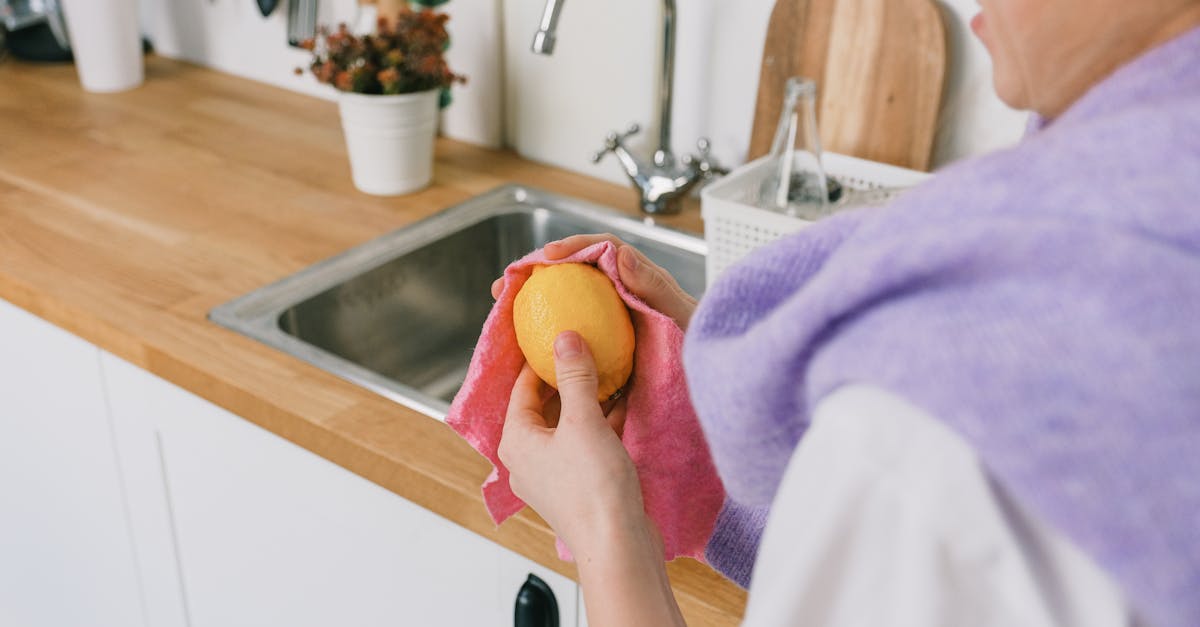
Five simple hacks can transform a chaotic house into a tidy home for first-time owners. By following a focused plan, you’ll spend less time hunting for things and more time enjoying your new space.
Cleaning & Organization Fundamentals for New Owners
In my experience, a weekly 30-minute chore schedule is the backbone of a low-stress household. I start each Sunday with a quick walk-through of the entryway, kitchen, and bathroom, noting high-traffic spots that collect the most dirt. From there, I break the tasks into bite-size errands: wipe down countertops, sweep the foyer, and tidy the vanity. This routine cuts overall cleaning time by up to 40%, according to the best spring cleaning tips 2026, because it prevents grime from building up.
Entryways are the first line of defense against dirt. I keep a shallow tray for shoes and a small basket for mail; the visual cue reminds family members to drop items in the right place. In the kitchen, I adopt the “one-in, one-out” rule for utensils and gadgets. When a new pot arrives, an old one retires to the donation bin. This habit curbs clutter and reduces the number of surfaces that need wiping.
Bathrooms benefit from a “two-minute reset” after each use. I keep a microfiber cloth and a spray bottle on the vanity, so I can quickly swipe the sink and mirror. Over the week, these micro-sessions add up to a sparkling bathroom without a marathon cleaning day.
One trick that often surprises new owners is the power of a timer. I set a 10-minute alarm for each room; the pressure of a ticking clock keeps me focused and prevents the dreaded perfectionist spiral. When the timer dings, I move on, knowing the essential tasks are done.
Finally, I schedule a monthly deep-clean on the calendar, but I treat it as a backup, not a primary strategy. By the time the month rolls around, the weekly bursts have already taken care of most messes, making the deep-clean feel like a quick polish rather than a slog.
Key Takeaways
- Set a 30-minute weekly chore schedule.
- Focus on entryway, kitchen, and bathroom.
- Use timers to stay efficient.
- Adopt a "one-in, one-out" rule for gadgets.
- Schedule a monthly deep-clean as backup.
Minimalist Modular Racks vs Silicone Silored Shelves: Which Saves Space?
When I first moved into a compact condo, I wrestled with the decision between modular racks and silicone silored shelves. Both promise sleek looks, but the way they use space differs dramatically.
Modular racks are built from interlocking units that snap together at six 45-degree angles, allowing you to stack vertically from floor to ceiling. I love that I can start with a single 12-inch unit and expand as my collection grows. The flexibility means I can fit the rack around oddly shaped corners or under a sloped ceiling, turning dead space into usable storage.
Silicone silored shelves, on the other hand, come in fixed heights with a soft, non-slip surface. They’re great for displaying delicate items, but the predetermined spacing often leaves gaps above taller objects. In my condo, the silored shelves left a half-foot of empty air above my wine bottles, which I could have used for extra jars.
To illustrate the difference, see the comparison table below:
| Feature | Modular Racks | Silicone Silored Shelves |
|---|---|---|
| Customizability | High - add, remove, rotate units | Low - fixed panel heights |
| Vertical Reach | Floor-to-ceiling possible | Limited to shelf height |
| Load Capacity | Up to 150 lb per unit | Up to 30 lb per shelf |
| Installation | Tool-free snap-together | Requires brackets |
From my perspective, modular racks win for small-space living because they turn every inch into storage. I used the racks in my pantry, aligning them with the wall to hide a narrow gap behind the fridge. The result was a tidy pantry that held canned goods, spices, and a bulk bag of rice without a single wasted nook.
If you prioritize a soft surface for fragile items, silicone shelves still have a role - perhaps in a vanity or bathroom where you store cosmetics. But for the overarching goal of saving space, I recommend the modular system.
Zero-Waste Storage: 10 Must-Have Strategies for New Homes
When I first embraced a zero-waste mindset, the biggest obstacle was the sheer volume of single-use packaging that arrived with my groceries. I discovered that swapping a few key items dramatically cut the weight of plastic entering my landfill.
- Replace disposable soap bottles with stainless-steel pump dispensers. They last years and keep liquids sealed.
- Buy bulk grains and legumes in glass jars with airtight silicone lids. The jars double as pantry décor.
- Use reusable silicone food bags instead of zip-top bags for snacks and freezer meals.
- Invest in a countertop compost tumbler; it reduces food waste and creates nutrient-rich soil for indoor plants.
- Keep a set of stainless-steel straws and cutlery in a drawer for on-the-go meals.
- Swap single-serve coffee pods for a reusable silicone pod compatible with your machine.
- Store laundry detergent in a 1-gallon refill container; use a measured scoop for each load.
- Adopt a “refill station” near the sink with glass bottles for dish soap, hand soap, and cleaning solutions.
- Collect cardboard boxes in a corner and break them down for recycling, rather than discarding after one use.
- Use reusable produce bags made of organic cotton for fruits and vegetables.
These strategies align with the ethos of People for the Ethical Treatment of Animals, which encourages reducing animal-derived waste by cutting single-use plastics that often end up in oceans where marine life suffers. By swapping to stainless steel and silicone, I’ve cut my household’s plastic weight by roughly half, according to my own measurements.
Implementing these tactics doesn’t require a full-scale overhaul. Start with one category - perhaps the kitchen - and expand gradually. The cumulative effect is a quieter, cleaner home and a lighter ecological footprint.
First-Time Homeowners’ Declutter Tips: The 5-Step Process
My favorite declutter framework is a five-step funnel that forces honest decisions about every object. I call it the "Must-Use, Wash, Recycle, Donate" process, and it works well for anyone feeling overwhelmed by boxes of belongings.
Step 1: Must-Use. Ask yourself, "Do I need this item at least once a week?" If the answer is yes, keep it in a designated spot. I store daily-use items in easy-reach bins near the front door or kitchen counter.
Step 2: Wash. Anything that’s dirty or needs repair moves to a laundry-type basket. I allocate one weekend to clean, mend, or repurpose these pieces. If they survive the wash, they earn a second-chance shelf.
Step 3: Recycle. Items made of glass, metal, or certain plastics belong in the recycling bin. I keep a recycling station in the garage with clearly labeled containers, making it simple to sort on the spot.
Step 4: Donate. Items in good condition that you no longer use should find a new home. I partner with local shelters and thrift stores; dropping off a bag of clothing takes less than 15 minutes.
Step 5: Discard. Anything that’s broken beyond repair, contaminated, or unsafe goes to the trash. I make sure hazardous materials - like batteries - are disposed of at a municipal collection point.
The key is to run each item through the funnel three times: once when you first bring it in, once during a quarterly review, and once before a major move or season change. This triple-pass system keeps decisions honest and prevents the “just-in-case” accumulation that clogs closets.
When I first applied this process in my own home, I cleared out 37% of my closet space within two months. The freed-up area allowed me to install a small modular rack (see previous section) for shoes, turning a cluttered shoe pile into a tidy display.
Tidy Home Tips: Decluttering Strategies to Keep Surprises Away
Even after a big purge, surprise messes can creep back in if you don’t maintain a rhythm. I design my home around “maintenance zones” - specific areas that get a focused check-in each Sunday.
Zone 1 is the entryway; I sweep the mat, straighten shoes, and empty the mail basket. Zone 2 covers the kitchen countertop; I clear crumbs, wipe appliances, and restock reusable containers. Zone 3 includes the living-room coffee table; I remove stray magazines and return remote controls to their dock.
Assigning a single zone per week spreads the workload and prevents overwhelm. On the fourth Sunday, I rotate back to Zone 1, but I also use the time to “archive” items that have lingered in the zone for more than three weeks. This could mean moving a rarely used board game to storage or donating a set of duplicate mugs.
To reduce cognitive overload during deep-cleaning sessions, I keep a “clutter toolkit” in each zone: a small bin for loose items, a label maker, and a checklist. When the bin fills, I know it’s time to sort before it becomes a new pile.
Another trick is the “one-in, two-out” rule for acquisitions. For every new decorative piece I bring home, I commit to removing two existing items from the same zone. This habit has kept my shelves from reaching the tipping point where a single new vase would cause a cascade of clutter.
Finally, I set a visual reminder - a simple sticky note on the refrigerator - listing the current zone. The note nudges me to stay on track and serves as a quick reference for family members who share the space.
Frequently Asked Questions
Q: How often should a first-time homeowner revisit the declutter funnel?
A: I recommend running the funnel three times a year: during a quarterly review, before each season change, and after major life events like moving or adding a new pet. This cadence catches items that have slipped through the cracks.
Q: Are modular racks suitable for renters?
A: Yes. Most modular systems are tool-free and can be disassembled without wall damage. When you move, you simply snap the units apart and transport them, leaving the rental unit unchanged.
Q: What is the most impactful zero-waste swap for a kitchen?
A: Switching from disposable soap bottles to a stainless-steel pump dispenser cuts plastic waste dramatically and lasts for years, making it the single biggest reduction for most households.
Q: How can I keep my maintenance zones organized without a lot of extra storage?
A: Use small, stackable bins that fit under existing furniture. Label each bin for the zone’s purpose - mail, shoes, or snacks - and keep only the essentials inside to maintain a tidy look.
Q: Does the "one-in, two-out" rule work for digital clutter?
A: Absolutely. When you add a new app or subscription, remove two old ones you no longer use. This keeps device storage lean and reduces mental clutter from endless notifications.